
Why Does My Dog Eat Grass?
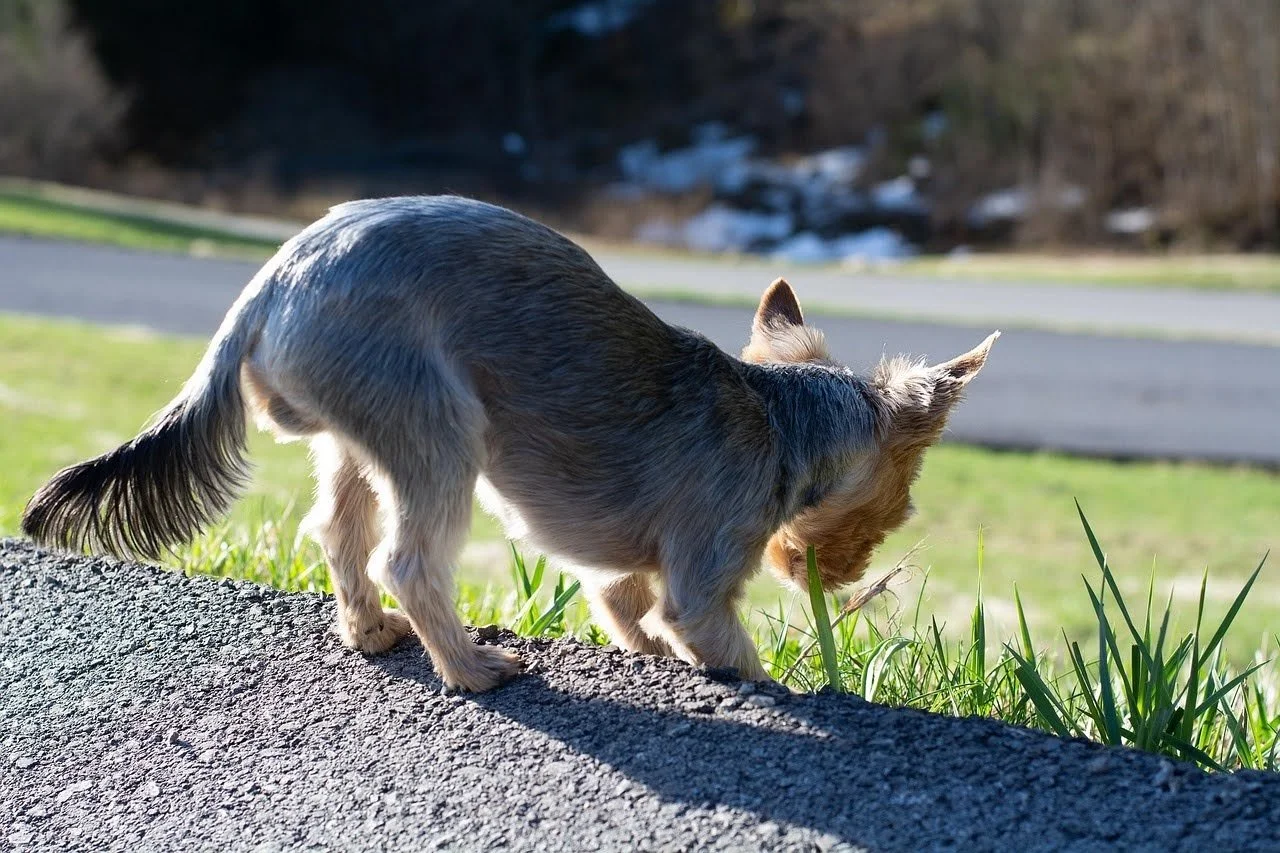
If you've noticed your dog eating grass during walks, you're not alone. This behavior is extremely common across all breeds and ages. While it might seem strange, grass-eating is usually harmless and stems from several well-understood causes. Understanding why your dog does this can help you determine whether it's normal behavior or something that needs attention.
Common Reasons Dogs Eat Grass
Dietary fiber needs. Dogs are omnivores and may instinctively seek out plant material to aid digestion. Fresh grass provides roughage that can help with regular bowel movements and support healthy gut bacteria. If your dog frequently eats grass, consider whether their current food provides adequate fiber. Many veterinarians recommend high-fiber formulas for dogs with this habit. Look for foods with ingredients like pumpkin, sweet potato, or beet pulp, which provide digestible fiber.
Digestive discomfort. Some dogs eat grass when experiencing mild nausea or stomach upset, though research shows most dogs don't actually vomit afterward. A 2008 study published in Applied Animal Behavior Science found that only about 25% of dogs vomit after eating grass, and fewer than 10% showed signs of illness beforehand. The behavior may simply be soothing, similar to how humans might sip ginger tea for an uneasy stomach.
Taste and texture. Many dogs simply enjoy the taste of fresh grass, particularly young, tender blades in spring and early summer. Puppies exploring their environment are especially likely to nibble on grass as part of normal curiosity. Some dogs are more attracted to certain types of grass. Wheatgrass and ryegrass seem to be particularly appealing.
Boredom or anxiety. Dogs who lack sufficient mental and physical stimulation may eat grass as a self-soothing behavior or simply to pass time. This is especially common in high-energy breeds like Border Collies, Australian Shepherds, and Retrievers. Regular exercise, interactive play, puzzle toys, and enrichment activities often reduce this behavior significantly.
Nutritional gaps. While less common in dogs fed complete commercial diets, some dogs may seek out grass if they're missing certain nutrients. However, this is rarely the primary cause in well-fed pets. Wild canids naturally consume plant material from the stomachs of prey animals, so some grass-eating may be an ancestral instinct.
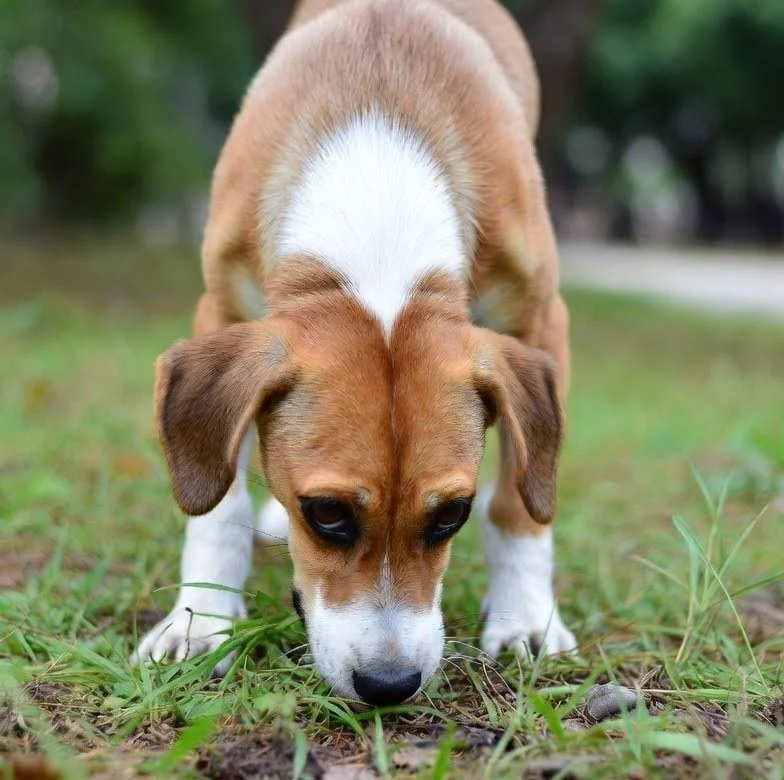
When to Be Concerned
Occasional grass-eating is typically harmless, but watch for these red flags: frequent vomiting after eating grass, excessive or obsessive grass consumption (more than a few times daily), changes in appetite, energy, or bathroom habits, or signs of abdominal pain like hunching or whining. Additionally, be cautious about access to chemically treated lawns, as pesticides, herbicides, and fertilizers can be toxic to dogs.
If you notice any of these signs, consult your veterinarian to rule out gastrointestinal issues, parasites, inflammatory bowel disease, or dietary deficiencies. Blood work and fecal tests can help identify underlying problems.
Practical Solutions
To manage grass-eating behavior, try these approaches: increase daily exercise and playtime to at least 30–60 minutes depending on breed and age (this is where Zen Dog Walking can help), ensure your dog's diet includes adequate fiber appropriate for their life stage, provide safe chew toys and food puzzles for mental stimulation, teach a "leave it" command to redirect the behavior when needed, and avoid areas where lawns may be chemically treated.
If the behavior persists or seems excessive, your vet can help determine whether dietary changes or medical evaluation is needed. In most cases, grass-eating is a normal canine behavior that doesn't require intervention. Just keep an eye out for potential hazards and ensure your dog has plenty of healthier outlets for their natural instincts.